
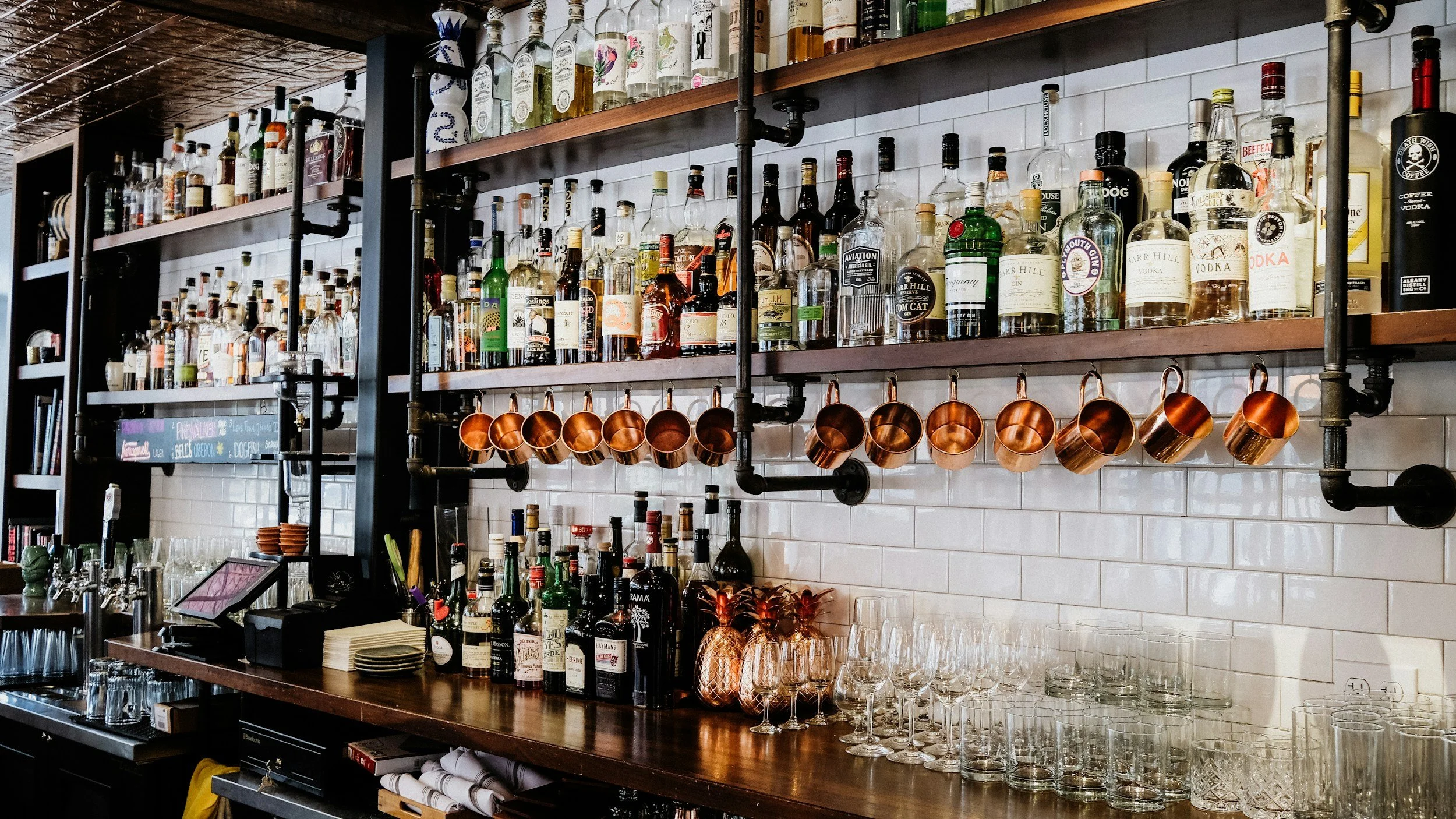
Liquor License Done Fast, Smooth and Efficiently
SCHEDULE YOUR FREE CONSULTATION NOW!
Liquor license attorney helping restaurants, bars, nightclubs, and liquor stores navigate the New York State Liquor Authority.
Serving NYC, Nassau County and Suffolk County
The New York liquor licensing process is complicated because applications must comply with:
• New York State Liquor Authority regulations
• the 200-Foot Rule
• the 500-Foot Rule
• community board review
• zoning and certificate of occupancy requirements
• ownership disclosure rules
We have developed an exceptional licensing process over the last decade of service to the hospitality industry that yields an almost guaranteed success rate.
500+ Licenses Obtained. Yours is Next.
Liquor License Applications
Obtaining a liquor license in New York requires a detailed application submitted to the New York State Liquor Authority (SLA). The process involves preparing ownership disclosures, business documentation, floor plans, lease agreements, and regulatory forms that must all comply with state requirements. The James Firm assists hospitality businesses with preparing and filing complete liquor license applications designed to move efficiently through the SLA review process and avoid unnecessary delays.
500-Foot Rule Hearings
If three or more liquor licenses already operate within 500 feet of your proposed location, the SLA must determine whether issuing another license serves the public interest. This often requires a formal hearing and supporting evidence demonstrating that the new establishment will positively contribute to the neighborhood. The James Firm prepares legal submissions, supporting documentation, and arguments to present before the SLA when a 500-Foot Rule hearing is triggered.
Community Board Representation
Many liquor license applications in New York City must first appear before a local Community Board. These meetings can significantly influence how the SLA views an application. The James Firm helps prepare applicants for Community Board presentations, develop community outreach strategies, and present materials that address neighborhood concerns regarding noise, hours of operation, and public safety.
Liquor License Transfers
When purchasing an existing bar, restaurant, or liquor store, the liquor license may often be transferred to the new owner with approval from the SLA. Properly structuring the transaction is critical to ensure the license remains valid and the business can continue operating. The James Firm assists buyers and sellers with liquor license transfer applications and related regulatory approvals.
Liquor Store Licensing
Retail liquor stores in New York operate under a different set of rules than bars and restaurants. Ownership restrictions, location limitations, and operational regulations must all be carefully evaluated before applying for a license. The James Firm assists entrepreneurs and investors in navigating the regulatory requirements involved in opening and operating a liquor store in New York.
SLA Compliance and Violation Defense
Businesses holding liquor licenses must comply with ongoing regulatory obligations enforced by the New York State Liquor Authority. Violations, complaints, or enforcement actions can result in fines, suspension, or revocation of a license. The James Firm represents hospitality businesses in responding to SLA notices, negotiating resolutions, and defending license holders in administrative proceedings.
Our Process for Obtaining a New York Liquor License
Step 1 Location and eligibility analysis
Before submitting any liquor license application, it is critical to evaluate whether the proposed location is legally eligible for licensing. This includes analyzing potential restrictions such as the 200-Foot Rule, the 500-Foot Rule, zoning requirements, and the building’s Certificate of Occupancy.
Conducting this analysis early can prevent costly problems later—particularly for businesses that have already signed leases or begun construction. The James Firm reviews the proposed premises and business structure to identify regulatory issues and determine the most effective licensing strategy.
Step 2 Community board hearings
Many liquor license applications—particularly in New York City—must first be presented before a local Community Board. These hearings allow neighborhood representatives to review the proposed business and make recommendations regarding the application.
The James Firm prepares clients for Community Board presentations, helps address potential neighborhood concerns, and assists with responding to regulatory questions that may arise during the review process. Once these steps are completed, the application proceeds toward final approval by the New York State Liquor Authority.
Typical timeline: 3–4 weeks depending on license type and community board process.
Step 3 Application preparation and filing with the SLA and licensing approval
Once the location and business structure are confirmed, the next step is preparing the liquor license application for submission to the New York State Liquor Authority (SLA). This process involves compiling ownership disclosures, financial information, corporate documentation, diagrams of the premises, and other required materials.
The James Firm assists clients with assembling and submitting a complete application designed to move efficiently through the SLA review process while minimizing the risk of requests for additional information.
Typical timeline: 6–8 weeks depending on license type and community board process.
Step 4: Ongoing Compliance and License Protection
After a liquor license is issued, businesses must continue to comply with regulations governing alcohol service, hours of operation, and recordkeeping. Failure to comply can lead to fines, suspension, or revocation of a license.
The James Firm continues to advise clients after licensing approval, assisting with compliance issues and representing businesses in the event of investigations or enforcement actions by the SLA.
Frequently Asked Questions
How long does it take to get a liquor license in NYC?
The timeline for obtaining a temporary permit ranges from 8-10 week and a permanent liquor license in New York typically ranges from 32 to 34 weeks, depending on the type of license and whether additional hearings are required. Applications for restaurants and bars in New York City often require a Community Board presentation, which can add several weeks to the process. If the 500-Foot Rule applies, the New York State Liquor Authority may also require a public interest hearing before approving the license. Properly preparing the application and addressing potential regulatory issues early can significantly reduce delays.
What is the 500-Foot Rule in New York?
The 500-Foot Rule applies when three or more liquor licenses already exist within 500 feet of the proposed location. In these situations, the State Liquor Authority must determine whether granting another license would serve the public interest. Applicants may be required to present evidence regarding community support, business operations, and the impact of the proposed establishment on the neighborhood.
What is the 200-Foot Rule?
The 200-Foot Rule generally prevents the State Liquor Authority from issuing certain on-premise liquor licenses if the establishment is located within 200 feet of a building used exclusively as a school or place of worship.
Determining whether the rule actually applies is not always straightforward. The measurement method, the building’s actual use, and the type of license requested can all affect the analysis. Many businesses mistakenly assume they are disqualified when they are not.
Can I transfer a liquor license in New York?
Yes, in many cases, a liquor license can be transferred as part of the sale of an existing business. However, the transfer must be approved by the State Liquor Authority, and the buyer must satisfy all regulatory requirements.
Transactions involving liquor licenses should be carefully structured to ensure the license remains valid during the transition and the new owner can continue operating the business.
How much does a liquor license cost in NYC?
The cost of obtaining a liquor license depends on the type of license and the location of the business. Fees payable to the State Liquor Authority typically range from several hundred to several thousand dollars. In addition to state filing fees, businesses may incur costs related to application preparation, corporate formation, zoning analysis, and community board proceedings.